
The FIFA Club World Cup is a global football tournament featuring top clubs from six continents. Historically dominated by European teams, there's a growing competitiveness from Asia and South America. Key factors for success include defensive strength, tactical flexibility, squad depth, mental resilience, and global support. While favorites often prevail, dark horses like Kashima Antlers and Grêmio have surprised with adaptive strategies, cultural exchange, and relentless spirit. Teams seeking to replicate such success should foster challenge-seeking cultures, embrace learning, utilize data insights, and prioritize strategic adaptability.
The FIFA Club World Cup, a global spectacle that pits the elite football clubs against one another, captivates fans worldwide. Determining pre-tournament favorites and dark horses is both an art and a science, reflecting the dynamic nature of sports. This article delves into the intricate process of identifying top contenders, from analyzing past performances to understanding squad dynamics. We explore strategic considerations that shape predictions, offering valuable insights for both seasoned football enthusiasts and casual viewers ahead of the next FIFA Club World Cup.
- Analyzing Pre-Tournament Favorites: FIFA Club World Cup Edition
- Unveiling Dark Horses: Surprises in FIFA Club World Cup History
- Factors That Make Teams Top Contenders for FIFA Club World Cup
- The Journey of Underdogs to Glory in FIFA Club World Cup
- Strategies for Teams to Overcome Initial Challenges in FIFA Club World Cup
Analyzing Pre-Tournament Favorites: FIFA Club World Cup Edition

The FIFA Club World Cup stands as one of international football’s most prestigious tournaments, bringing together top global clubs from six different continents to compete for supremacy. Analyzing pre-tournament favorites in this multi-continent tournament requires a deep dive into recent performances, historical records, and the overall state of club football globally.
Historically, European teams have dominated, with Spanish and English clubs emerging as consistent powerhouses. For instance, Real Madrid CF has won five titles since the tournament’s inception in 2000, showcasing their dominance on the global stage. However, recent trends indicate a more balanced landscape. Asian and South American sides have increasingly challenged the European stranglehold, with Japanese club Tokyo FC surprising many by reaching the finals in 2017. This shift underscores the growing competitiveness of these regions’ top clubs.
Identifying dark horses involves examining teams that might not be considered traditional favorites but possess the potential to disrupt the status quo. African and North American clubs, while occasionally participating, have had limited success. Yet, underdogs can spring surprises; Al Ahly SC from Egypt, for example, became the first African club to win the tournament in 2006, defeating Brazilian giants Corinthians. Building bridges between nations through sporting events like the FIFA Club World Cup is not just about competition; it’s also about fostering global unity and showcasing diverse footballing cultures.
When predicting outcomes, experts must consider more than just historical data. The current form of players, team tactics, and even weather conditions can swing results. For instance, a team with exceptional individual talent but lacking tactical discipline might struggle against well-organized defenses. As the FIFA Club World Cup continues to evolve, so too will the strategies employed by pre-tournament favorites and dark horses. Give us a call at Building Bridges Between Nations to delve deeper into the history of these captivating club world cups and explore how teams from around the globe are shaping the future of international football tournaments.
Unveiling Dark Horses: Surprises in FIFA Club World Cup History

The FIFA Club World Cup, a global soccer competition that pits the champions of each continent against one another, has seen its fair share of surprises over the years. While pre-tournament favorites often dominate headlines and discussions, it’s the dark horses—teams that exceed expectations—that truly captivate and inspire. Analyzing past winners and finalists reveals a rich tapestry of underdog stories, with teams from smaller footballing nations upstaging the heavyweights. These unexpected victories not only showcase the unpredictability of sports but also highlight the coach’s guide to success: adapting strategies to exploit weaknesses, fostering team cohesion through cultural exchange, and instilling a relentless spirit.
Take, for instance, the 2016 edition where Real Madrid, fresh off their European triumph, were favored to repeat. However, Japanese club Kashima Antlers emerged as the dark horses, defeating them in the final on penalties after a thrilling 2-2 draw. This victory marked a significant milestone for Asian football and demonstrated that technical skill and tactical acumen can transcend geographical boundaries. Similarly, in 2017, Grêmio of Brazil surprised many by claiming the title, topping a field that included European giants like Real Madrid and Manchester United. Their success was attributed to a blend of passionate play and a collective determination to prove themselves on the world stage.
These examples underscore the importance of understanding the FIFA Club World Cup as more than just a showcase of top talent; it’s a platform for underdogs to display their mettle and challenge the status quo. For coaches and sports enthusiasts alike, studying these dark horse successes offers invaluable insights into the coach’s guide to success, emphasizing the need for innovation, adaptability, and a deep understanding of global soccer competition dynamics. As we look forward, leveraging local business opportunities cultural exchange through sport can further enrich the experience, fostering connections that transcend the pitch and resonate in communities worldwide.
Factors That Make Teams Top Contenders for FIFA Club World Cup
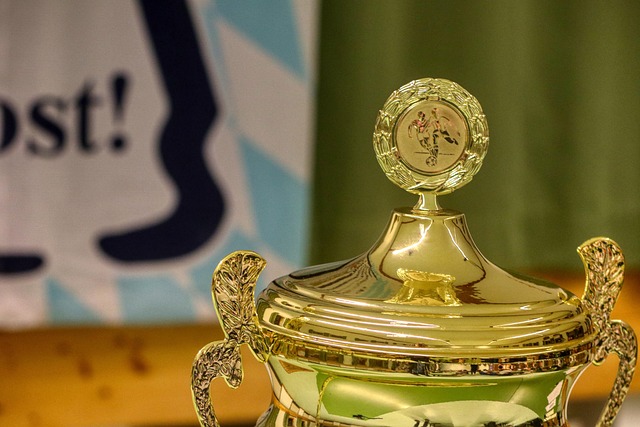
The FIFA Club World Cup is a pinnacle moment in international football, where the best of the best from across continents collide to compete for global dominance. Pre-tournament favorites and dark horses play pivotal roles in shaping this worldwide football fever. To understand why some teams consistently emerge as top contenders in the FIFA Club World Cup, we delve into several key factors.
First and foremost, tournament statistics overview reveals that a strong defensive record is paramount. Teams that excel in keeping goals away from their net tend to fare better throughout the competition. For instance, Real Madrid’s triumph in 2018 was marked by solid defensive performances, showcasing the importance of minimizing concessions. Moreover, tactical flexibility and adaptability are crucial. Successful teams often possess the ability to adjust strategies based on opponents’ strengths and weaknesses, as demonstrated by Liverpool’s victory in 2019 where they adapted their approach during the tournament.
A robust squad depth and balanced player profiles also contribute significantly. Teams with a mix of experienced campaigners and promising young talent have an edge when navigating through grueling matches within a short span. For example, Al-Ain FC in 2018 showcased remarkable depth by relying on both seasoned veterans and emerging talents to claim the runner-up position. Additionally, maintaining focus and mental resilience throughout the tournament is indispensable. Teams that can consistently perform at their peak under pressure, like Manchester City in 2021, often find themselves among the final contenders.
Lastly, a global perspective on worldwide football fever team rankings and records underscores the importance of club support, fan engagement, and media coverage. Teams that foster strong relationships with their supporters and receive extensive media attention tend to attract more sponsors and investments, enhancing their overall competitiveness. By visiting us at Top Global Clubs anytime, you can gain deeper insights into these top-tier teams and how they consistently outperform their peers in the FIFA Club World Cup and beyond.
The Journey of Underdogs to Glory in FIFA Club World Cup

The FIFA Club World Cup, a global sports event of immense significance, has long been dominated by pre-tournament favorites, teams expected to prevail based on their recent success and star-studded lineups. Yet, every four years, this prestigious tournament also produces dark horse contenders—underdogs who challenge conventional wisdom and captivate fans worldwide. These surprise packages not only add excitement to the competition but also offer valuable lessons in team dynamics, tactical innovation, and the power of belief.
The journey of underdogs to glory is often a captivating narrative, filled with resilience, strategic adjustments, and a collective will to prove critics wrong. Take, for instance, the 2016 FIFA Club World Cup, where Japanese club Kashima Antlers upset European giants Real Madrid in the final. This victory not only showcased the growing competitiveness of Asian football but also highlighted the importance of tactical flexibility and disciplined execution. The success of such underdogs can be attributed to several factors, including strong leadership within the team, a united front fostered by a shared vision, and the ability to adapt to the unique pressures of representing their continent on the global stage.
Beyond the footballing achievements, these dark horse teams also contribute significantly to the event’s fan culture exploration and travel tourism boost. Their unexpected runs often inspire passionate supporters from around the globe to gather, creating a vibrant atmosphere that elevates the overall experience. Moreover, the success of these smaller teams can have lasting impacts on their domestic leagues, encouraging investment in youth development and infrastructure, as evidenced by the growth in global interest and participation following notable underdog victories in various sports events.
To maximize the potential of your team as an underdog in the FIFA Club World Cup or any other major tournament, organizations should focus on fostering a culture that embraces challenges, promotes continuous learning, and leverages data-driven insights for strategic decision-making. By understanding and leveraging tournament statistics overview, teams can develop winning formations tailored to their players’ strengths and the unique demands of each opponent. Ultimately, while pre-tournament favorites often start with an edge, the journey of underdogs to glory serves as a testament to the transformative power of belief, teamwork, and strategic acumen. Give us a call at [Tournament Statistics Overview] to explore more insights that can propel your team to unexpected heights.
Strategies for Teams to Overcome Initial Challenges in FIFA Club World Cup

The FIFA Club World Cup is a stage where pre-tournament favorites and dark horses collide, each with unique strategies to overcome initial challenges. For established powerhouses like past winners and finalists, the tournament presents an opportunity to validate their global dominance. These teams often lean on star players in action, relying on individual brilliance and tactical discipline to navigate the competition’s pivotal moments. However, underdogs or dark horses—teams that slip under the radar—bring their own brand of unpredictability and unproven potential, making every match a test of adaptability for favorites.
Key match insights reveal that tactical strategies in play are pivotal. Favorable teams must be nimble, adjusting formations and gameplay on the fly to counter unexpected opposition tactics. For instance, in recent editions, successful dark horses have employed aggressive pressing and counter-attacking strategies to disrupt favored teams’ possession-based games. This requires a high level of fitness and tactical astuteness from players, who must also cope with the psychological challenge of defying expectations.
To overcome initial challenges in the FIFA Club World Cup, teams should prioritize strategic flexibility. This involves thorough pre-match analysis, adaptability during gameplay, and an understanding of their star players’ roles within the team’s overall tactical framework. By integrating these principles, teams can navigate the tournament’s early hurdles, potentially setting the stage for key match insights that could propel them towards global glory. For expert guidance tailored to your team’s unique needs, consider giving us a call at Global Sports Event—we offer invaluable support to help you conquer every challenge along the way.
The FIFA Club World Cup is a stage where pre-tournament favorites and dark horses collide, creating unforgettable moments. Analyzing historical trends reveals that while favorites often prevail, dark horses have consistently surprised, underscoring the importance of strategic adaptability and underdog mentalities. Key factors distinguishing top contenders include tactical prowess, player fitness, and team cohesion. The journey to glory for underdogs involves meticulous preparation, tactical flexibility, and harnessing the power of belief. Teams aiming to overcome initial challenges in the FIFA Club World Cup should focus on cultivating a resilient mindset, leveraging data-driven decisions, and implementing tailored strategies to navigate the tournament’s unique dynamics. By understanding these insights, teams can optimize their chances and forge memorable paths toward victory.
About the Author