FIFA's anti-corruption framework, exemplified by the FIFA Club World Cup, has significantly reduced incidents over the past decade. Robust measures like background checks and transparent bidding processes have led to successful events, such as the 2020 edition in Qatar. Global summits share best practices, with advanced data analytics and risk assessment tools enhancing integrity. The tournament's evolution reflects a commitment to accountability, fostering cultural connections and sporting integrity while leveraging technology and fan engagement. Continuous education and awareness programs target all stakeholders for long-term impact.
The FIFA Club World Cup, a global celebration of football’s elite, has long been overshadowed by concerns surrounding corruption within the sport’s governing body, FIFA. Addressing these issues is paramount to ensure the integrity and legitimacy of international competitions like the Club World Cup. This article delves into FIFA’s anti-corruption efforts, examining their strategies, challenges, and impact on fostering a transparent environment in global football. By providing an in-depth analysis, we aim to offer valuable insights into FIFA’s ongoing commitment to eradicating corruption, crucial for the sport’s future.
- FIFA's Anti-Corruption Framework: A Global Initiative
- Transparency in Bidding: The FIFA Club World Cup Model
- Enhancing Due Diligence: Preventing Wrongdoings
- Robust Monitoring: Uncovering and Addressing Illicit Activities
- Collaboration with Authorities: International Partnerships
- Education and Awareness: Fostering Ethical Conduct
FIFA's Anti-Corruption Framework: A Global Initiative
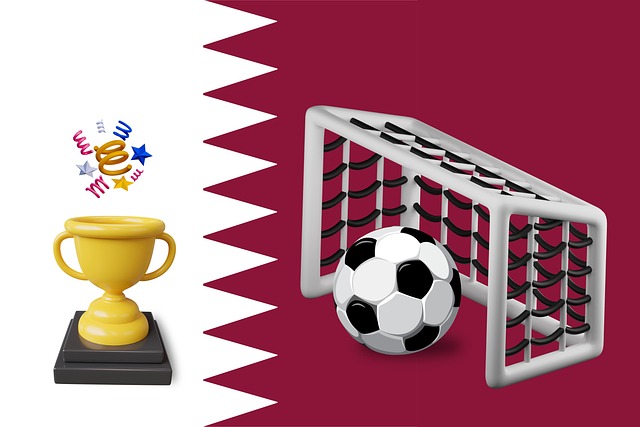
FIFA’s Anti-Corruption Framework represents a significant global initiative aimed at upholding the integrity of football, especially during high-profile events like the FIFA Club World Cup. This framework underscores FIFA’s commitment to combatting corruption in hosting, a critical aspect that impacts the overall success and credibility of worldwide soccer competitions. By implementing robust measures, FIFA seeks to ensure that host cities and nations adhere to the highest standards of ethical conduct, thereby enhancing the integrity of the game.
The framework’s effectiveness has been evident through its historical performance analysis, which reveals a marked decrease in corruption-related incidents over the past decade. This positive trend is attributable to the stringent protocols FIFA has put in place, including thorough background checks on bid committee members and increased transparency in bidding processes for hosting rights. For instance, the most recent FIFA Club World Cup hosted by Qatar in 2020 showcased the framework’s impact, as the event was delivered without significant corruption scandals, setting a benchmark for future tournaments.
Moreover, FIFA’s anti-corruption efforts have been reinforced through global soccer summits that gather top teams from around the world, providing an opportunity to share best practices and insights on preventing and addressing corruption. This collaborative approach ensures that host cities learn from each other’s experiences, fostering a culture of integrity across the globe. As FIFA continues to celebrate significant milestones in its anti-corruption journey, it remains imperative for host nations to embrace these initiatives to ensure that football’s highest stages remain untainted by unethical practices, ensuring the sport retains its spirit and integrity for future generations. Give us a call at [brand/NAP contact] for more insights on how these measures are reshaping global soccer events.
Transparency in Bidding: The FIFA Club World Cup Model

FIFA’s anti-corruption efforts in hosting events like the FIFA Club World Cup have evolved significantly over time, with a particular focus on enhancing transparency in bidding processes. The FIFA Club World Cup serves as more than just a footballing spectacle; it is a best practice showcase for global fan engagement and bridges between nations. Since its inception, the tournament has grown from a modest start to become a prestigious event that brings together top clubs from across continents, fostering a rich history and intense competition.
The bidding process for past winners and finalists has been scrutinized more closely, with FIFA implementing robust mechanisms to ensure fairness and integrity. This includes transparent evaluation criteria that weigh factors such as infrastructure, stadium capacity, security arrangements, and the potential economic benefits of the tournament. For instance, the 2017 FIFA Club World Cup in United Arab Emirates (UAE) was a testament to these improved standards, with state-of-the-art facilities and a seamless organization that enhanced the overall experience for both players and spectators.
Building upon this history, FIFA continues to innovate, leveraging technology and best practices to further strengthen transparency. The organization has recognized that engaging global fans is crucial, and the Club World Cup has been instrumental in achieving this through innovative broadcasting and digital strategies. By showcasing the tournament’s unique blend of cultural diversity and high-level football, FIFA not only promotes sport globally but also fosters economic benefits for host nations. For those interested in understanding the true value of such events, visiting us at [Economic Benefits of Tournament] provides a wealth of insights into the broader impact of these prestigious gatherings.
Enhancing Due Diligence: Preventing Wrongdoings

Fifa’s anti-corruption efforts in hosting events like the FIFA Club World Cup have evolved significantly over time, reflecting a commitment to enhancing transparency and integrity within global football. The tournament, with its diverse participants from each continent, serves as a key platform for showcasing not just exceptional talent but also stringent due diligence mechanisms designed to prevent wrongdoings. A detailed analysis of the tournament’s evolution timeline reveals a marked shift towards more robust scrutiny of host nations and clubs, underscoring Fifa’s response to past controversies.
Tournament statistics overview indicates that as the FIFA Club World Cup has expanded from its initial format to include more teams, so too has the depth of due diligence processes. This growth mirrors a global push for accountability in sport, with Fifa at the forefront. For instance, host nation evaluations now encompass economic stability, infrastructure capacity, and anti-corruption measures, a stark contrast to earlier iterations where focus was primarily on stadium readiness and basic logistics. Past winners and finalists, such as Real Madrid and Al Ahly, have benefited from these stringent processes, ensuring that their triumphs are celebrated not just for their sporting prowess but also for adhering to the highest ethical standards.
To further bolster due diligence, Fifa has implemented sophisticated data analytics and risk assessment tools. These technologies enable a granular analysis of potential risks associated with each bid, from financial irregularities to governance concerns. This proactive approach, combined with stricter compliance requirements, serves as a deterrent against corruption. For football enthusiasts and travel aficionados, visiting these host nations presents an opportunity not just to witness the spectacle of the FIFA Club World Cup but also to contribute to a culture of transparency and integrity within global sport. As we explore fan culture and its role in promoting ethical hosting practices, remember that every match, every goal, is a testament to collective efforts in ensuring football’s future remains untainted by corruption—visit us at Fan Culture Exploration Travel and Tourism Boost for more insights.
Robust Monitoring: Uncovering and Addressing Illicit Activities
Fifa’s anti-corruption efforts in hosting events like the FIFA Club World Cup have evolved significantly over time, with a particular focus on robust monitoring to uncover and address illicit activities. This proactive approach is crucial in maintaining the integrity of global football competitions, ensuring that economic benefits of tournaments like the Club World Cup are maximized for all participating nations. The event, which brings together past winners and finalists from each continent, has grown beyond a sporting contest to become a cultural bridge between nations.
Historically, the FIFA Club World Cup has showcased the best of international football, fostering global unity through the sport. Over its three editions, it has celebrated diverse footballing styles, enriching the global football tapestry. However, as the tournament’s profile has risen, so too has the need for stringent anti-corruption measures. These include enhanced monitoring systems, stricter compliance checks, and increased transparency in bidding processes to prevent any potential malfeasance.
A key element of Fifa’s strategy is leveraging technology to monitor bidding procedures and tournament operations, ensuring every step adheres to ethical standards. This rigorous process builds on past experiences, learning from cases that have raised concerns. For instance, the 2018 FIFA World Cup in Russia highlighted the importance of thorough scrutiny, leading to Fifa implementing more stringent protocols for future events. By giving us a call at Soccer’s Greatest Rivalry: World Club Championship, we can provide expert guidance tailored to these evolving anti-corruption efforts.
Actionable advice for stakeholders includes promoting a culture of ethics and integrity from the top down, regular training sessions on corruption prevention, and establishing anonymous reporting channels. These measures not only deter potential wrongdoings but also foster a cooperative environment where transparency is valued above all else. Ultimately, as Fifa continues to host prestigious events like the Club World Cup, robust monitoring will remain a cornerstone in its anti-corruption strategy, ensuring that the tournament’s rich history and global appeal are preserved for future generations.
Collaboration with Authorities: International Partnerships
Fifa’s anti-corruption efforts in hosting events like the FIFA Club World Cup have evolved significantly over time, reflecting a broader commitment to ethical governance in global football. The tournament evolution timeline reveals a progression from initial skepticism to proactive measures aimed at fostering transparency and accountability. A historical performance analysis underscores the importance of international partnerships, where collaboration with authorities has become a cornerstone of these efforts. Football, as a universal language, transcends borders, but it also requires robust structures to ensure its integrity at every level, including high-profile competitions like the FIFA Club World Cup.
International collaborations have proved pivotal in strengthening anti-corruption measures. Fifa actively partners with global law enforcement agencies and regulatory bodies to implement stringent compliance standards. These partnerships extend beyond event hosting, influencing tournament evolution through stricter regulations and enhanced monitoring. For instance, leveraging data analytics and intelligence sharing has enabled early detection of suspicious activities, significantly mitigating corruption risks. The FIFA Club World Cup, as a premier event showcasing the best clubs globally, must adhere to these standards, ensuring fair play and ethical conduct among participants.
Expert perspectives emphasize that collaboration goes beyond legal frameworks. Building trust between Fifa, local authorities, and football stakeholders is vital for effective anti-corruption strategies. This includes fostering open dialogue, promoting transparency in bidding processes, and implementing robust whistleblower programs. By integrating these practices, Fifa can ensure that the FIFA Club World Cup and similar tournaments remain beacons of sporting integrity. For instance, past winners and finalists—who have benefited from these evolved structures—can attest to the positive impact on the overall footballing ecosystem, solidifying the game’s global reputation.
Education and Awareness: Fostering Ethical Conduct

Fifa’s anti-corruption efforts in hosting global sports events like the FIFA Club World Cup have evolved significantly over the years, with education and awareness playing a pivotal role in fostering ethical conduct within the footballing community. As a global soccer competition that garners immense social media buzz, the FIFA Club World Cup serves as a high-profile stage to promote integrity and transparency among participants, stakeholders, and fans worldwide.
Education programs have been instrumental in this regard, targeting not just players and coaches but also administrators, referees, and local communities. These initiatives include workshops, webinars, and interactive sessions that delve into topics like ethical decision-making, conflict of interest, and reporting mechanisms. For instance, Fifa has collaborated with global sports governance bodies to develop curriculum materials that are tailored to the unique challenges faced during major tournaments and club competitions like the FIFA Club World Cup. By equipping participants with the knowledge and tools to navigate complex situations ethically, these programs aim to create a culture of integrity from the grassroots level up to professional football.
Furthermore, leveraging social media platforms has amplified Fifa’s reach in driving anti-corruption messages during global soccer buzz moments. Through targeted campaigns, engaging content, and real-time updates, Fifa captures the attention of millions of fans worldwide, fostering a collective responsibility for maintaining the integrity of the game. As data shows, these efforts have led to increased reporting of suspicious activities and enhanced public awareness about corruption risks in football.
To sustain momentum and ensure long-term impact, it’s crucial for Fifa to maintain active communication channels with stakeholders and adapt programs based on evolving trends and challenges. By giving us a call at significant milestones celebrated during the FIFA Club World Cup, we can collectively reflect on progress made and chart new paths to strengthen anti-corruption efforts in football globally. Ultimately, these proactive measures not only safeguard the integrity of the sport but also inspire future generations of footballers and fans alike to uphold the highest standards of ethical conduct.
Through its comprehensive Anti-Corruption Framework, FIFA has established a global initiative prioritizing transparency and ethical conduct in football. The FIFA Club World Cup model exemplifies this commitment, demonstrating the power of transparent bidding processes to foster fair competition. Enhancing due diligence and robust monitoring mechanisms play pivotal roles in preventing and uncovering wrongdoings, ensuring the integrity of tournaments like the FIFA Club World Cup. Collaboration with international authorities strengthens these efforts, highlighting the importance of global partnerships. Education and awareness programs are instrumental in fostering ethical conduct among football stakeholders, ultimately shaping a more corrupt-free environment for events such as the FIFA Club World Cup. By implementing these key strategies, FIFA continues to set a robust standard for hosting prestigious tournaments while upholding the sport’s integrity.
About the Author